Skip to content

Table of Contents
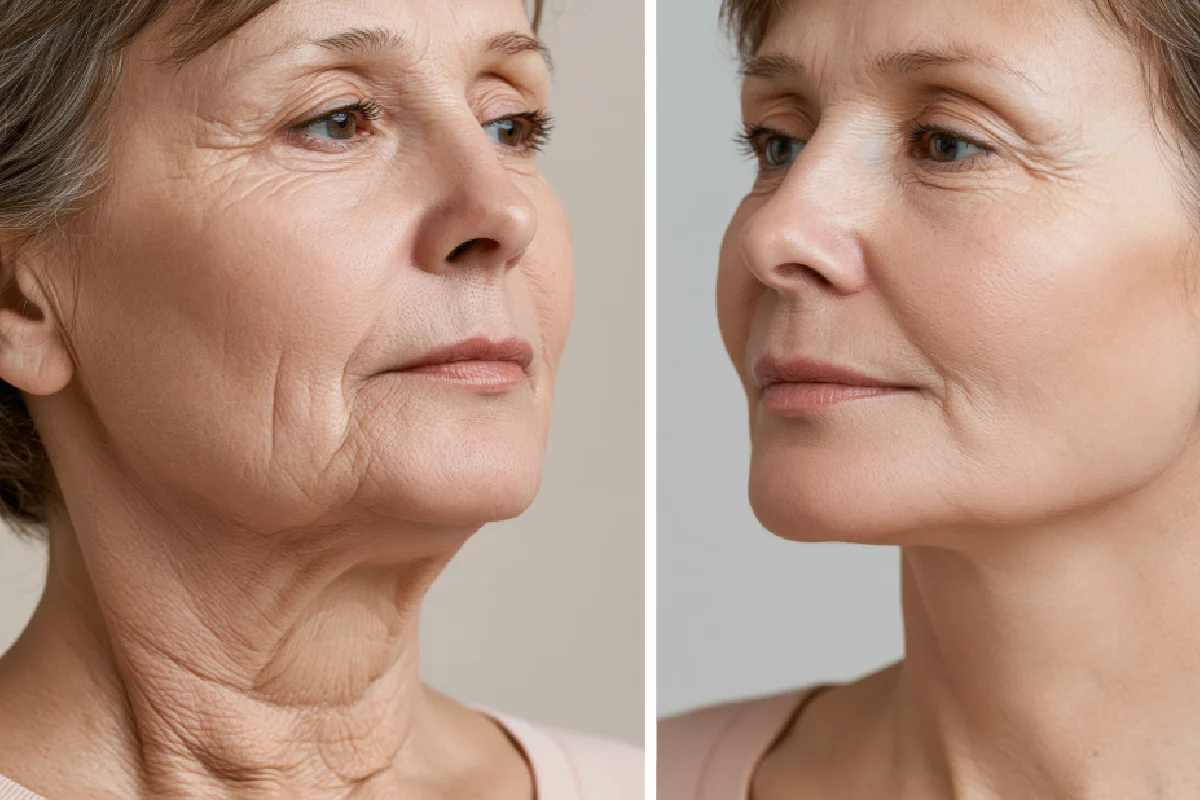
Those deeper lines that stretch from your nose to the corners of your mouth—known as nasolabial folds—can feel like they appeared out of nowhere, right? They deepen as we age and can sometimes make us feel older than we really are.
Modern cosmetic medicine includes options such as Radiesse and Sculptra that may help address changes in facial volume and skin structure. With all the buzz (and some confusion) in the beauty world, it’s totally understandable to have questions about what these treatments can do and what to expect.
Many people have questions about treatments for nasolabial folds because they’ve come across mixed stories or outdated information online. Understanding how these treatments work and what they can realistically achieve can make it easier to evaluate your options.
Let’s set the record straight about what Radiesse and Sculptra can realistically achieve for nasolabial folds and smile lines, and separate the myths from the facts.
Myth #1: All Fillers Are the Same
Not true. Though both Radiesse and Sculptra are injectables, they work in very different ways.
- Radiesse: Radiesse contains calcium-based microspheres that can add volume and structure to the skin. Over time, it also encourages your body to produce more collagen, which may enhance skin firmness and texture.
- Sculptra: Sculptra is formulated with poly-L-lactic acid, a substance that stimulates gradual collagen regeneration. This can lead to a more progressive change in facial volume and skin smoothness.
When comparing the two, factors such as facial anatomy, treatment goals, and the type of correction being considered can influence which approach is appropriate. Understanding these differences is an important part of evaluating available treatment options.
Myth #2: Fillers Make You Look Overdone
This is a common concern—and a valid one. The appearance of treatment depends on factors such as the product used, the amount administered, injection technique, and individual facial anatomy.
Both Radiesse and Sculptra can be used for subtle, structured correction. Rather than simply creating additional fullness, treatment may be intended to restore or improve areas affected by changes in volume and collagen over time.
Understanding how facial volume changes with age can also help explain why properly planned treatment may produce a more balanced appearance rather than an “overfilled” look.
Myth #3: You’ll See Results Right Away—Or Not at All
There’s a grain of truth here, but it’s more nuanced. With Radiesse, some volume may be visible shortly after treatment because of its gel component. Additional changes can develop over time as collagen production is stimulated.
Sculptra takes a different route. It does not provide the same type of immediate volumizing effect and instead works gradually, prompting the body to rebuild collagen in treated areas. Improvements typically become more noticeable over the following weeks and months.
Bottom line: both treatments can involve changes that develop over time, but they do so on different timelines. Understanding the expected timeline can help set realistic expectations.
The Truth About Biostimulatory Injectable Treatments
Understanding how these treatments work helps dispel many common misconceptions. Radiesse and Sculptra are considered biostimulatory injectable treatments, meaning their effects can involve stimulation of the body’s collagen production rather than relying only on immediate volume.
Radiesse can provide an initial volumizing effect while also stimulating longer-term collagen production. The calcium hydroxylapatite microspheres are gradually broken down, while the surrounding tissue may produce new collagen.
Sculptra takes a different approach. This poly-L-lactic acid treatment works gradually, stimulating collagen production over several months and potentially improving facial volume and skin appearance.
Both treatments may be considered when age-related changes involve collagen and volume loss. However, nasolabial folds can have multiple contributing factors, including changes in facial fat, skin elasticity, and underlying facial structures, so treatment approaches vary from person to person.
Why Biostimulatory Injectables May Affect Smile Lines
The potential benefits of Radiesse and Sculptra extend beyond simple volume replacement. These treatments have characteristics that may make them useful when addressing age-related changes in facial volume and skin structure.
Radiesse may provide an initial visible volumizing effect that can continue to change over time. The treatment can provide structure and support to the skin while also stimulating collagen production. The duration of results varies based on factors such as the treatment area, individual metabolism, and treatment approach.
Sculptra offers its own unique characteristics. The gradual improvement means changes develop progressively rather than appearing all at once. The poly-L-lactic acid is gradually absorbed while the body produces new collagen, with results developing over time.
Both treatments may be considered for areas affected by collagen loss and changes in facial volume. However, the skin and underlying structures of the nasolabial region vary between individuals, which is why treatment plans and expected outcomes can differ.
Who May Benefit from These Treatments?
Individuals who may be considered for Radiesse and Sculptra are typically:
- Adults experiencing volume loss in the mid-to-lower face, including changes around the lines that run from the nose to the corners of the mouth.
- Those interested in natural-looking changes rather than significant alterations in facial appearance.
- People with moderate to deep smile lines who are exploring non-surgical treatment options.
- Men and women experiencing age-related changes in facial volume, skin firmness, or collagen production.
- Individuals who are interested in understanding non-surgical approaches and their potential downtime.
Radiesse may be considered when immediate volumizing effects and collagen stimulation are desired, while Sculptra may be considered by those interested in gradual collagen-building effects. The appropriate approach depends on individual anatomy, treatment goals, and professional assessment.
What the Treatment Experience May Involve
Understanding the treatment process can help set realistic expectations about preparation, injections, recovery, and results.
Pre-treatment preparation involves an assessment where a qualified medical professional evaluates the skin and discusses treatment goals. Specific instructions may include avoiding certain medications or supplements that could increase bruising risk.
Treatment sessions may involve marking the treatment areas and using topical numbing cream for comfort. The actual injections typically take only a portion of the overall appointment. Sensations can vary but may include a pinprick feeling or mild pressure.
Recovery and downtime are generally limited, although this varies by person and treatment. Temporary swelling, redness, bruising, or tenderness can occur at injection sites and may resolve over the following days. Activity recommendations can vary depending on the treatment and individual circumstances.
Results timelines also vary by treatment. Radiesse may provide an initial change with continued changes over the following months as collagen production increases. Sculptra results develop gradually over several months as collagen production increases.
The duration of results depends on the treatment, individual factors, and other variables. Understanding these timelines can help when comparing different approaches to age-related facial volume and collagen changes.
Understanding Changes in Nasolabial Folds
Radiesse and Sculptra are two approaches that may be considered when addressing changes in facial volume, collagen, and the appearance of nasolabial folds. They work differently, have different timelines, and may be appropriate for different treatment goals.
Learning how each treatment works, what results may develop over time, and what factors affect recovery can help you make a more informed decision. A qualified medical professional can assess individual anatomy and explain the potential benefits, limitations, risks, and expected recovery associated with available treatment options.