Skip to content
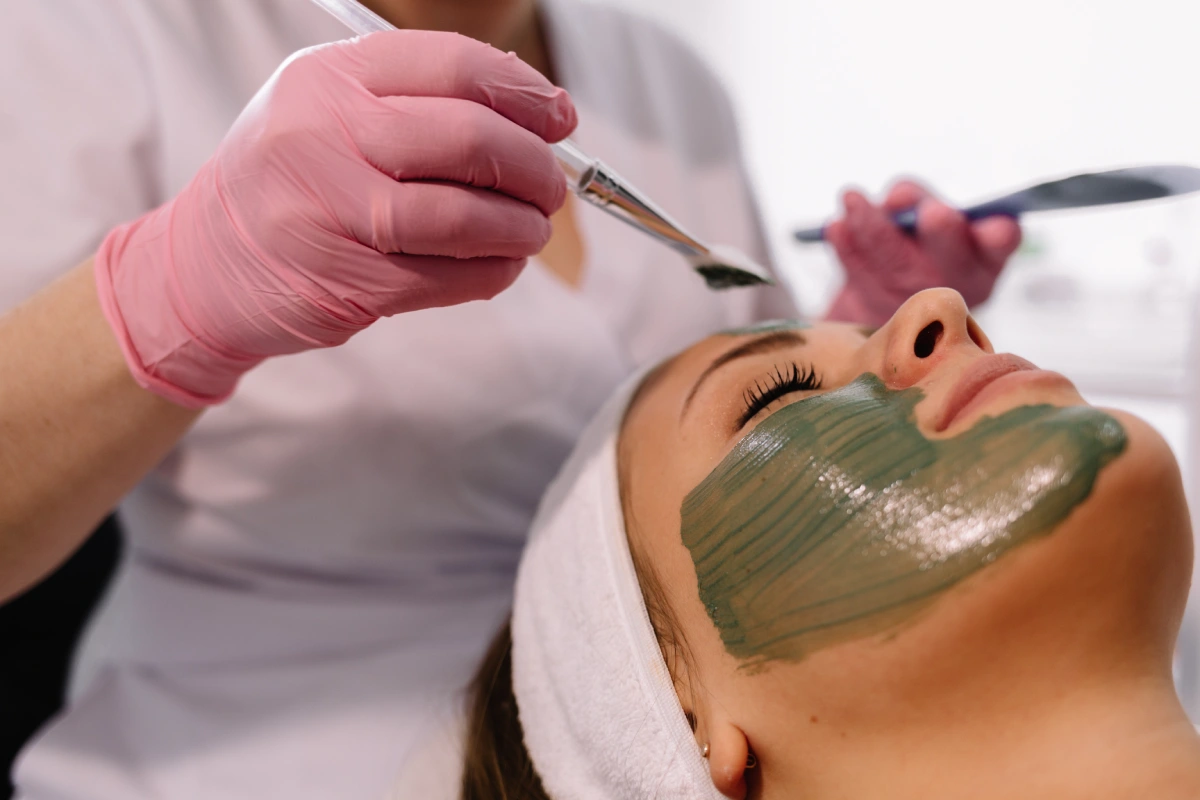
Table of Contents
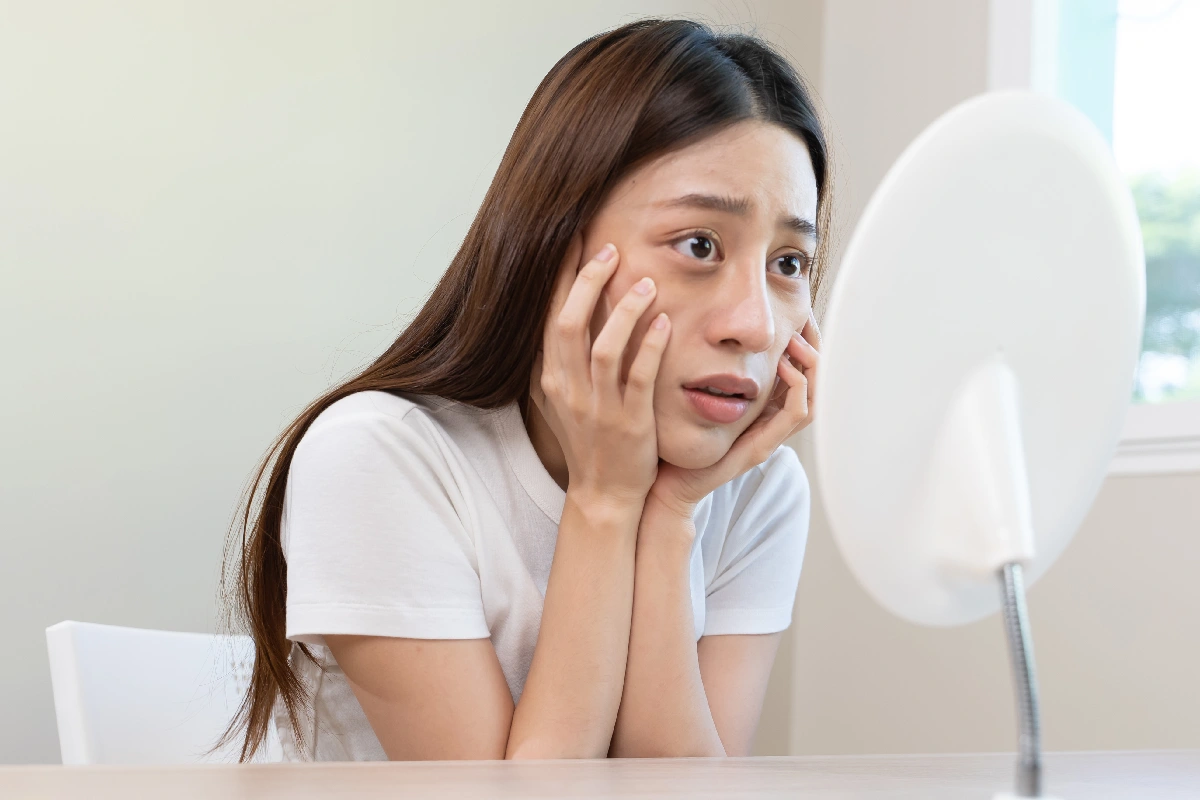
If you have tried a chemical peel before and walked away with red, reactive skin that took days to calm down, you are not the only one who has started looking for a gentler path to smoother skin. That reaction is common with acid-based formulas, and it is exactly the kind of experience that leads people to search for alternatives that still deliver real results.
At Astria Aesthetics, the Korean Green Sea Peel is one of the treatments we recommend most often for exactly this concern. This article explains what makes traditional peels work the way they do, how this treatment achieves renewal through a completely different mechanism, and who tends to benefit most from it.
What Sets The Korean Green Sea Peel Apart From A Traditional Acid-Based Peel?
Instead of using acids to dissolve the skin’s surface, this treatment uses marine spicules that create a microchanneling effect, delivering nutrients into the skin while stimulating collagen production. Because the process does not rely on acid strength, it tends to be better tolerated by sensitive or reactive skin than many conventional peels.
What Makes a Peel “Traditional” and Why That Matters Here
Traditional chemical peels typically rely on acids like glycolic, salicylic, or TCA to exfoliate the skin’s surface. These acids work by breaking down the bonds between skin cells, which can cause noticeable peeling, redness, or downtime depending on the strength of the formula used.
Understanding this baseline matters, since it is exactly what a non-acid approach changes. Once you know how acid peels achieve their results, it becomes easier to appreciate what the Korean Green Sea Peel is doing differently, rather than assuming it is simply a gentler version of the same process. Many clients come in already familiar with the discomfort of stronger peels, which makes this distinction especially relevant when deciding on a treatment path.
What Is a Korean Green Sea Peel?
A Korean Green Sea Peel is built around spicules, the naturally occurring exoskeletal structures found in marine sponges and certain coral species. These spicules create a microchanneling effect on the skin’s surface, functioning in a way that is often compared to liquid microneedling.
Once the spicules dissolve, they act as a transdermal delivery system, depositing vitamins, minerals, and naturally occurring compounds into deeper layers of skin. Since none of this depends on acid strength, it is generally categorized as a non-acid method of facial exfoliation, which is part of what has made it appealing to people searching for a non-acid peel in Pickerington, OH. This approach has gained attention specifically because it offers visible improvement without asking sensitive skin to tolerate the same intensity as a chemical formula.
How This Peel Achieves Renewal Without Traditional Acids
Enzymes and marine-derived ingredients work differently from acids, breaking down dead skin cells through a distinct biological process rather than chemically dissolving surface bonds. The spicules used in this treatment stimulate fibroblast activity, which supports the skin’s own collagen production while helping shed old, dull cells in favor of newer ones.
This mechanism is generally associated with a gentler overall experience compared to acid-based exfoliation, which is central to improving rough skin texture with Korean Green Sea Peel without the burning sensation many people associate with stronger chemical formulas. Because the process works with the skin’s natural renewal cycle rather than forcing a rapid surface reaction, results tend to feel more like a gradual improvement than an abrupt change.
How This Compares to Traditional Acid Peels in Practice
Traditional acid peels vary widely in strength, and stronger formulations can involve visible peeling or real downtime depending on the specific acid and concentration used. This peel tends to involve a shorter recovery window, with most clients returning to their normal routine within a day or two.
Results and sensation may differ between the two approaches, which is exactly why understanding the mechanism helps set realistic expectations from the start. Neither approach is inherently better across the board. They simply work through different processes suited to different skin needs.
What Skin Concerns This Peel Is Typically Used For
This treatment is commonly used to address a few specific concerns:
- Overall tone, dullness, and uneven texture across the face
- Sun-related pigmentation on the neck, décolletage, and hands
- Persistent rough patches that have not responded to gentler at-home exfoliation
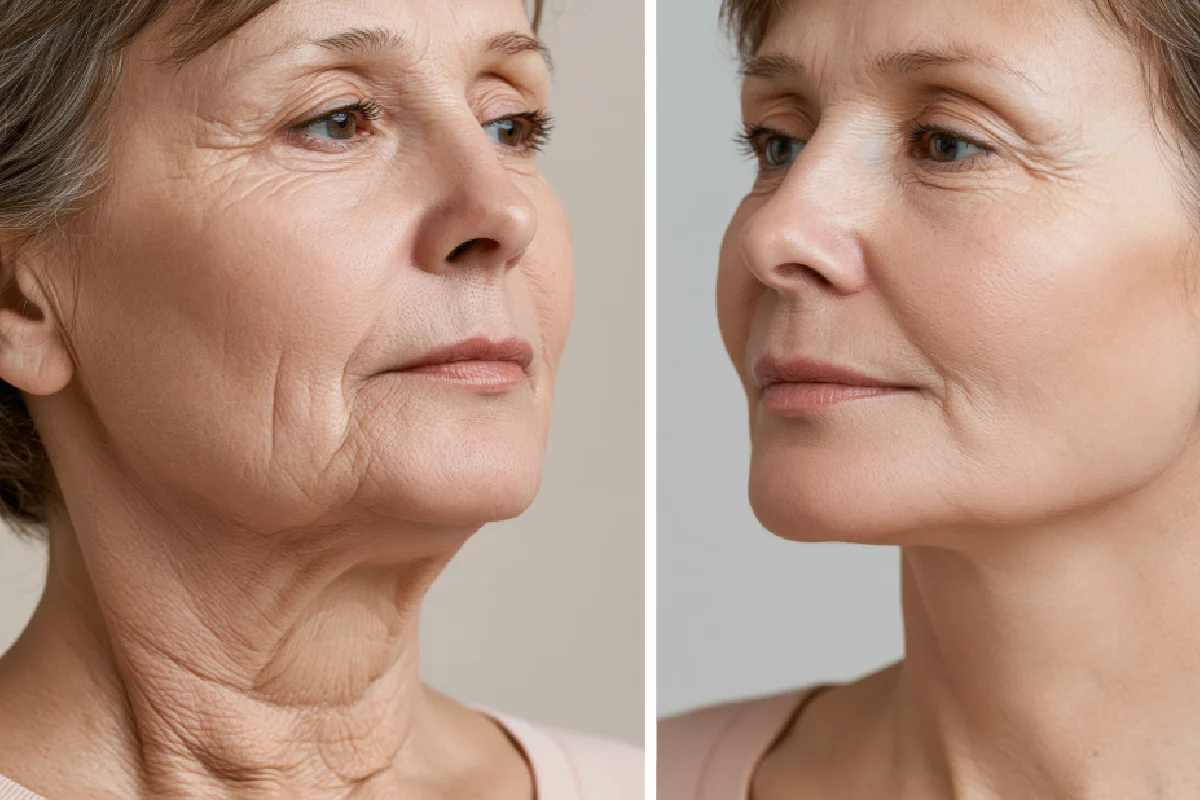
Results tend to build with a series of treatments rather than appearing after a single session, which supports reducing surface flaking and rough patches naturally over time as the skin continues its renewal process.
Who Tends to Be a Good Candidate
This peel tends to be a good fit for people who are:
- Dealing with sensitive or reactive skin that has not tolerated traditional acid peels well
- New to professional exfoliation treatments and looking for a gentler introduction
- Interested in gentle exfoliation for sensitive skin paired with genuine collagen support, not just surface-level results
A consultation helps confirm whether this specific approach fits your skin type and goals, especially for clients prone to post-inflammatory hyperpigmentation, who may benefit from discussing pre-treatment planning with a provider first.
Frequently Asked Questions
Does this peel involve visible peeling afterward?
Light flaking is common as the skin completes its renewal process, though it tends to be milder than what typically occurs with acid-based peels, usually clearing within a few days.
How does it compare to other gentle peel options?
This treatment stands out by using a marine-based, non-acid mechanism rather than a milder acid formulation, which is part of why it tends to be well tolerated by sensitive skin.
How many sessions are typically recommended?
A single session can offer visible improvement, though a series of two to three treatments is often suggested for more noticeable, lasting results, particularly for pigmentation concerns.
Does this treatment help with dark spots or pigmentation?
Yes, many clients choose this peel specifically to help fade pigmentation over time, especially those prone to post-inflammatory discoloration, though consistent treatment tends to produce the best results.
Ready to Try Skin Renewal Without the Acid?
If harsh peels have left you hesitant to try skin resurfacing again, there is a real alternative worth considering. Our team at Astria Aesthetics can assess your skin and talk through whether the Korean Green Sea Peel fits your goals.
Contact us with any questions. Schedule a Korean Green Sea Peel today.