Skip to content

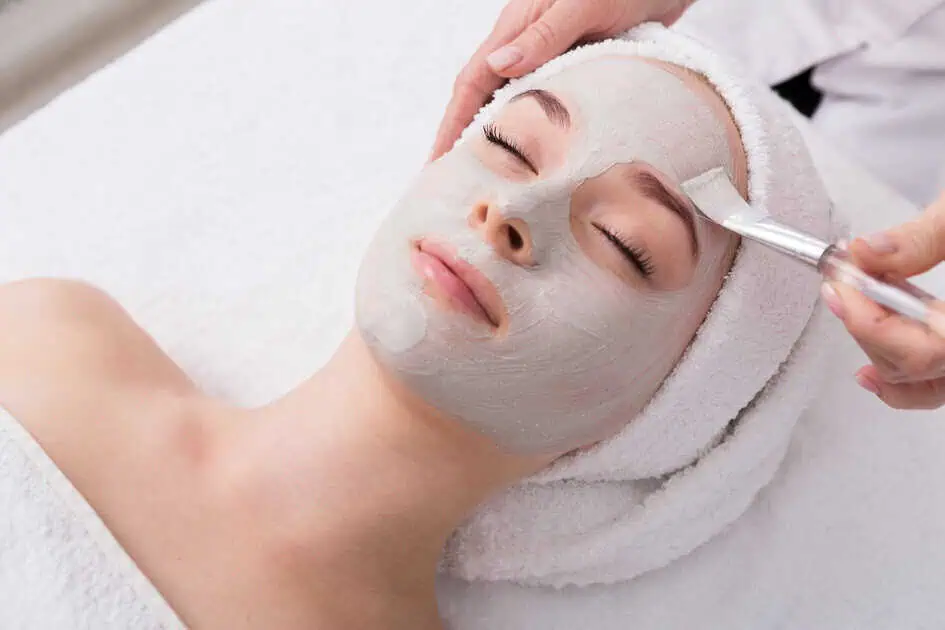
Table of Contents
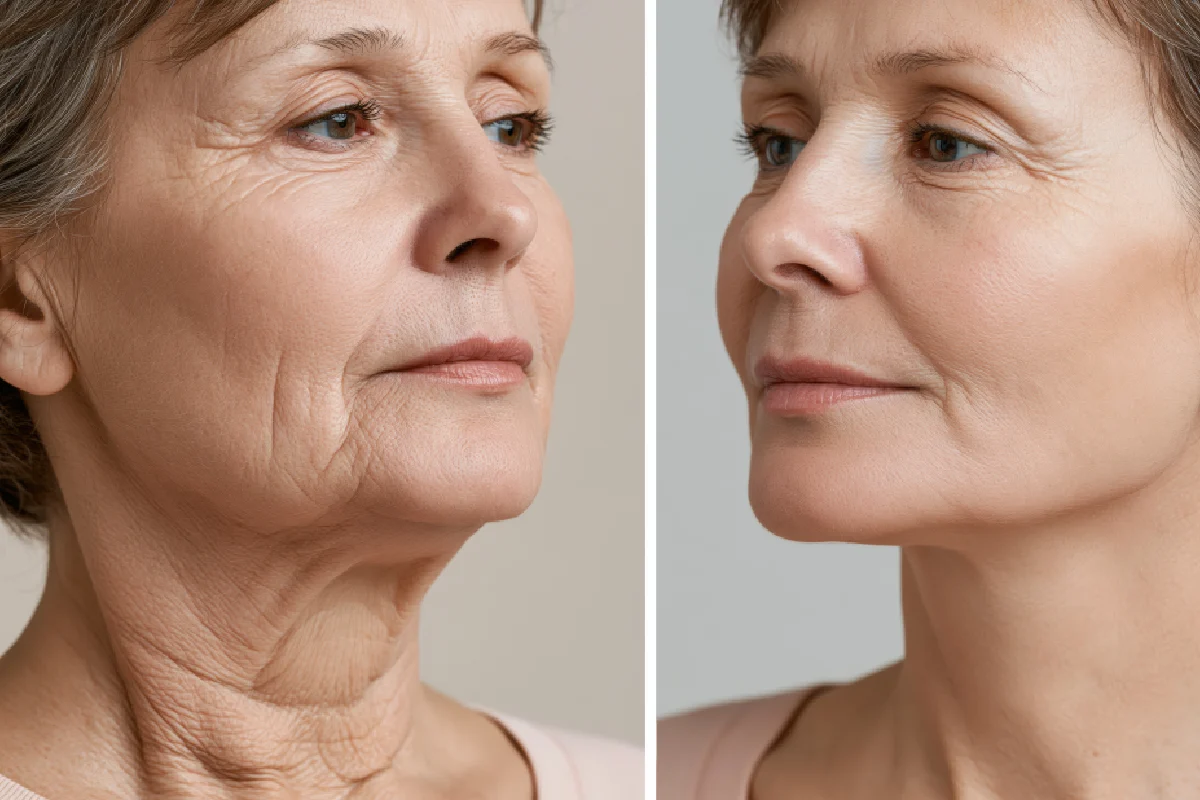
If your skin feels like it’s lost its glow, looks uneven, or doesn’t bounce back like it used to, you’re not imagining things. For many women in their 40s, the signs of aging, fine lines, dullness, and uneven skin tone appear more persistently. You might have already tried over-the-counter solutions or trendy masks that promise the world and deliver little. Understanding how professional facial treatments address changing skin needs can help you make informed skincare decisions.
For women in their 40s, changes in skin texture, hydration, and radiance can make regular skincare feel less effective. Professional facials combine cleansing, exfoliation, hydration, and other techniques to address common concerns. With a gentle yet targeted approach, these treatments may help improve the appearance of tired skin without requiring extensive recovery time. Understanding how a facial can support cleansing, hydration, and skin radiance can help you determine whether it fits into your skincare routine.
What Is a Signature Facial?
A signature facial is a professional skincare treatment designed to support radiance, clarity, and balance. It may combine multiple skincare techniques into one session to address common concerns in women in their 40s, such as dullness, dryness, blemishes, and fine lines.
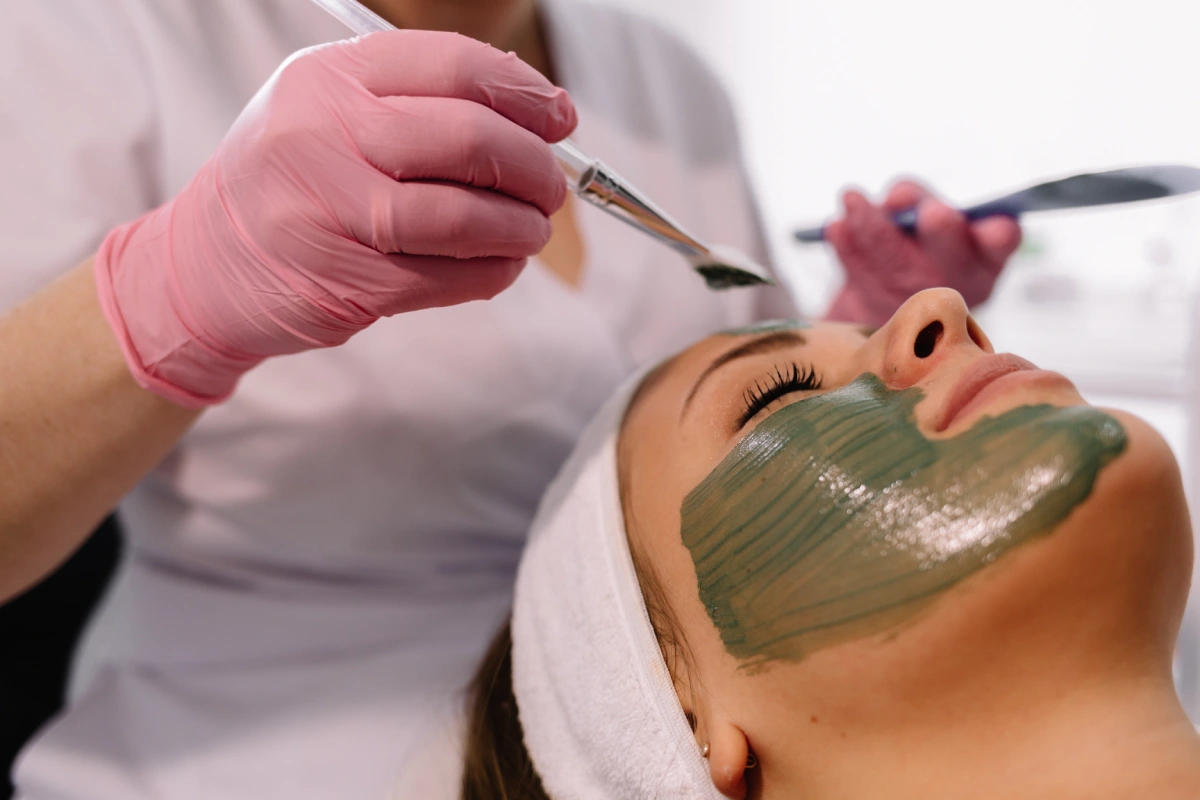
The treatment may start with warm facial steam and manual extractions to remove buildup and clear pores. This may be followed by dermaplaning, a gentle exfoliating technique that removes dead skin cells and fine hair, also known as peach fuzz, for a smoother appearance. A calming jelly mask and LED light therapy may also be incorporated. Depending on the type of light used, LED therapy may help support certain skin concerns, although outcomes vary. Together, these techniques aim to leave the skin looking clearer, brighter, and more refreshed.
Signature Facial Benefits
A comprehensive facial takes a thoughtful approach to skincare. Rather than relying on trendy ingredients or superficial glow-ups, it combines established techniques and targeted products to address common skin concerns. Here are some potential benefits:
Deep pore cleansing: Steam and extractions can help remove surface buildup and clear congested pores. This may be useful for people experiencing clogged pores or occasional breakouts.
Visible exfoliation: Through dermaplaning, dead skin cells and fine facial hair are removed from the skin’s surface. This can improve the appearance of dull skin and uneven texture.
Hydration: A hydrating mask and appropriate skincare products provide moisture, which may benefit dry or combination skin.
Smoother texture and glow: The combination of exfoliation, cleansing, and hydration can leave skin feeling softer and looking more refreshed.
Blemish-related benefits: Cleansing and extractions may help address congestion, while certain forms of LED light therapy may help with acne-related concerns. Results depend on the underlying skin condition and treatment approach.
Little to no downtime: Many facial treatments involve minimal recovery time. However, redness, sensitivity, or temporary irritation may occur, particularly after extractions or exfoliation. The degree of irritation varies according to skin type and the techniques used.
Who May Benefit from a Facial?
Professional facials may be suitable for adults of different ages and skin types, depending on their skin concerns and the techniques involved. Women in their 40s may explore these treatments when experiencing:
- Fine lines or rough texture
- Dehydrated skin
- Uneven tone or mild pigmentation
- Clogged pores or occasional breakouts
- Sensitive or reactive skin
Whether you are new to facials or have tried different skincare treatments, a facial may fit into a regular skincare routine when its techniques are appropriate for your skin. Consistent skincare habits, sun protection, and suitable products also play important roles in maintaining skin health over time.
A qualified skincare professional can assess your skin and recommend appropriate steps, products, and techniques. People with active skin irritation, certain skin conditions, or a history of reactions to exfoliation should discuss these concerns before undergoing treatment.
What to Expect: Process, Timeline, and Results
Understanding what happens during a facial can help you feel more confident and relaxed about the process. The exact steps depend on the techniques used and your individual skin needs.
Before Your Treatment
Most people do not need extensive preparation, although recommendations may vary depending on the procedures involved. Starting with clean skin can be helpful. A skincare professional will typically assess your skin and discuss your concerns before beginning. This is also an opportunity to mention allergies, skin sensitivities, current skincare products, and any recent cosmetic procedures.
During the Facial
Step 1: Facial steam and extractions
Steam may help soften surface debris, while extractions are used to remove certain types of pore congestion. Extractions should be performed carefully to reduce the risk of irritation or skin damage.
Step 2: Dermaplaning
A trained professional uses a specialized tool to exfoliate the skin’s surface and remove fine facial hair. This can temporarily improve smoothness and help skincare products or makeup apply more evenly.
Step 3: Deep cleansing and mask application
Cleansing removes surface impurities, while masks may be selected according to skin concerns such as dryness, blemishes, or dullness.
Step 4: Jelly mask and LED therapy
A soothing mask may help support skin hydration and comfort. LED light therapy may be used as an additional step, depending on the type of light and the skin concerns being addressed.
A facial session may take approximately 60 to 90 minutes, depending on the procedures included. Many people find the experience relaxing, although sensations and comfort levels vary. Most routine facials require little downtime, but more intensive exfoliation or extractions may cause temporary redness or sensitivity.
After the Facial
After a facial, the skin may feel softer, cleaner, and more hydrated. Some people also notice that makeup applies more smoothly and that their skin appears more even.
The effects depend on the techniques used and the condition of the skin before treatment. Exfoliation can temporarily improve surface smoothness, while hydration can make the skin appear plumper. However, claims about increased collagen production or continued improvement over several days depend on the specific treatment, and visible changes are not guaranteed.
Wearing broad-spectrum sunscreen with SPF 30 or higher is important after exfoliating treatments. It may also be helpful to avoid harsh exfoliants, irritating skincare products, and heavy makeup for the period recommended by the skincare professional. These precautions can help minimize irritation while the skin settles.
The frequency of facials depends on skin type, treatment intensity, and individual goals. Some people may benefit from treatments every four to six weeks, while others may need a different schedule. A consistent home skincare routine remains important between sessions.
FAQs: Clearing Up Common Questions
Is a facial good for sensitive skin?
Some facials can be adapted for sensitive skin by using gentle products and avoiding irritating techniques. However, steam, extractions, dermaplaning, and certain skincare ingredients may trigger redness or irritation in some people. A skin assessment can help determine which steps are appropriate.
How often should I get a facial?
The recommended frequency varies according to skin type, the techniques used, and individual concerns. Some people choose a facial every four to six weeks, but this is not a universal schedule. Treatments should be adjusted if they cause persistent dryness, irritation, or sensitivity.
Will I break out afterward?
Some people experience temporary breakouts or irritation after extractions or changes to their skincare routine. This does not happen to everyone, and it should not automatically be considered a normal purging process. Persistent or worsening breakouts may require evaluation by a qualified healthcare professional.
Can a facial help with age spots or pigmentation?
Some facial techniques may temporarily improve the appearance of uneven texture and dullness. However, age spots and pigmentation can have different causes, and routine facials may not significantly reduce deeper or persistent discoloration. Sun protection and appropriate skincare are important, and a dermatologist can help identify the cause and discuss suitable options.
Supporting Brighter, Healthier Skin Over Time
Skin changes in your 40s can reflect a combination of aging, hormonal changes, sun exposure, and differences in hydration and collagen production. Although no single facial can address every concern, appropriate skincare treatments may help improve surface smoothness, hydration, and radiance.
Understanding how cleansing, exfoliation, masks, and LED light therapy work can help you evaluate the potential benefits and limitations of different facial treatments. Results depend on individual skin needs, the techniques used, and ongoing skincare habits.
A consistent routine that includes gentle cleansing, suitable moisturization, and daily sun protection can support skin health over time. If you have persistent pigmentation, recurring acne, or ongoing irritation, consult a qualified healthcare professional to understand the underlying cause and identify appropriate care.