Table of Contents
Horizontal forehead lines can make people appear perpetually worried or older than they feel. Whether these creases developed gradually or appeared suddenly, they are among the most prominent signs of aging and can be difficult to conceal with cosmetics or skincare.
Both Dysport and Botox are commonly discussed options for reducing the appearance of forehead lines. However, understanding the key differences between these products can help explain how they work, what results may look like, and why individual responses can vary.
How These Injectable Treatments Actually Work
Both Dysport and Botox belong to a family of products containing botulinum toxin type A. They temporarily relax the muscles responsible for dynamic wrinkles. How does Dysport for forehead wrinkles work? The principle is similar to Botox. Both contain botulinum toxin, which blocks nerve signals to targeted muscles, reducing the repetitive contractions that create and deepen forehead lines.
One difference between Dysport and Botox involves their unique formulations and molecular compositions. Dysport has different diffusion characteristics compared with Botox. The extent to which either product spreads depends on factors such as dosage, injection technique, and individual anatomy.
Botox is often associated with a more localized treatment pattern, allowing targeted placement around specific injection sites. This can be relevant when addressing particular muscle groups or areas of concern.
Both treatments work by temporarily blocking the nerve signals that tell forehead muscles to contract when making expressions like raising eyebrows or showing surprise. Once these muscles cannot contract as forcefully, the overlying skin appears smoother and horizontal lines may become less noticeable.
Understanding the Characteristics of Dysport
While both treatments can help reduce the appearance of wrinkles, Dysport has several characteristics worth understanding:
Onset of results: Some individuals begin noticing changes within 2–3 days, although the timing varies. Full results may take longer to develop.
Natural-looking appearance: Dysport can soften expression lines while allowing natural facial movement when appropriately administered. The outcome depends on the dosage, placement, and individual muscle activity.
Diffusion characteristics: Its formulation has different diffusion properties compared with other botulinum toxin products. However, the treatment area and number of injection points depend on individual anatomy and clinical technique.
Duration of effects: Results commonly last around 3–4 months, although individual experiences may vary depending on metabolism, muscle activity, and other factors.
Prevention and correction: By temporarily reducing repetitive muscle contractions, Dysport may help soften existing dynamic wrinkles and reduce repeated creasing of the skin.
Who Is This Best For?
Dysport and Botox are both used by adults who want to address forehead wrinkles without surgery. Factors that may influence treatment suitability include:
- Adults noticing lines associated with repeated facial movements.
- Individuals interested in understanding non-surgical approaches to dynamic wrinkles.
- People in good overall health without active skin infections in the treatment area.
- Individuals who understand that results are temporary and that muscle activity gradually returns.
People researching Dysport for forehead wrinkles often have questions about maintaining natural facial expressions. The appearance after treatment depends on several factors, including facial anatomy, muscle strength, dosage, and injection placement.
Medical history, existing medications, and individual treatment goals should also be considered when evaluating suitability. A qualified healthcare professional can explain the potential benefits, limitations, and risks of these products.
What to Expect After Dysport or Botox Injections
Pre-treatment Preparation
Preparation may involve reviewing medications, supplements, and medical history with a healthcare professional. Certain medications and supplements can increase bruising risk, so individuals should discuss these with their provider rather than stopping prescribed medication independently.
Arriving with clean skin can also help prepare the treatment area.
Treatment Day
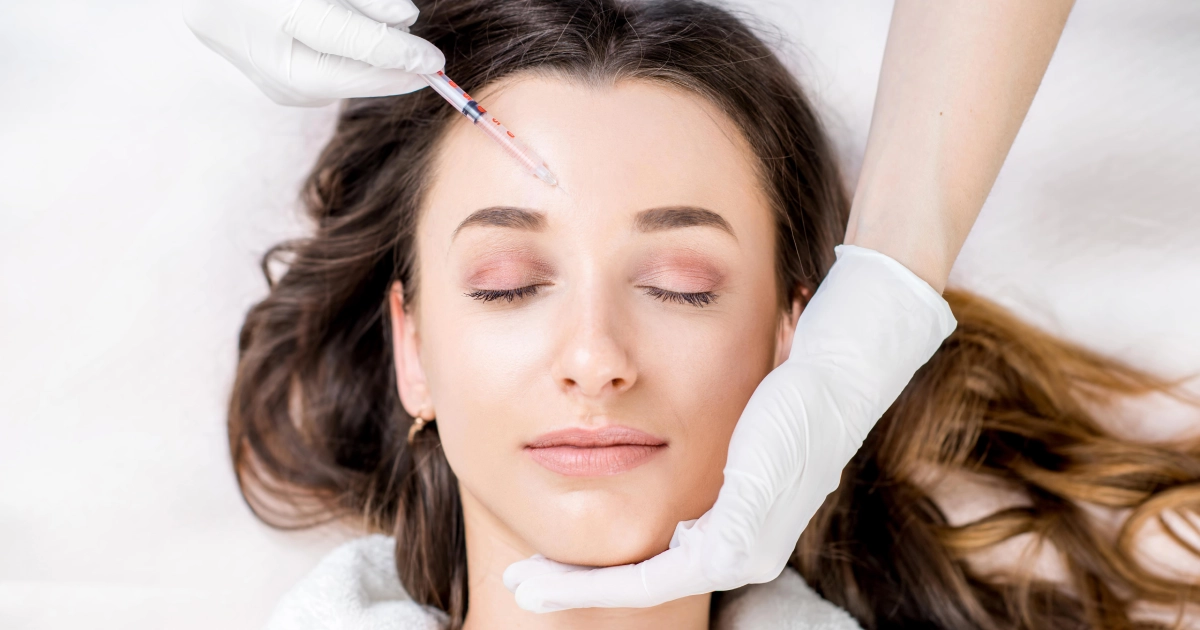
The treatment area is cleansed, and small amounts of Dysport or Botox are injected into targeted forehead muscles using a fine needle. The procedure itself is generally brief, although the duration depends on the treatment plan.
Comfort Level
The injections may feel like quick pinches. Some individuals describe mild pressure, while others experience minimal discomfort. Sensitivity can vary depending on individual pain tolerance and injection technique.
Downtime and Recovery
Most individuals can resume their usual daily activities relatively quickly. However, post-treatment instructions may include avoiding rubbing or massaging the treated area and following specific activity restrictions recommended by the healthcare professional.
When Results Show
The onset of results differs between products and individuals:
- Dysport: Some noticeable changes may appear within 2–3 days, with further improvement over the following days.
- Botox: Initial changes may appear within 3–5 days, with full effects often developing over approximately 10–14 days.
These timelines are estimates rather than guarantees.
How Long Do They Last?
The effects of both products commonly last around 3–4 months before muscle activity gradually returns and expression lines become more noticeable again. Duration varies among individuals.
Understanding Dysport Before and After Results
Changes in forehead appearance after treatment can include smoother-looking skin, softer expression lines, and a more relaxed appearance.
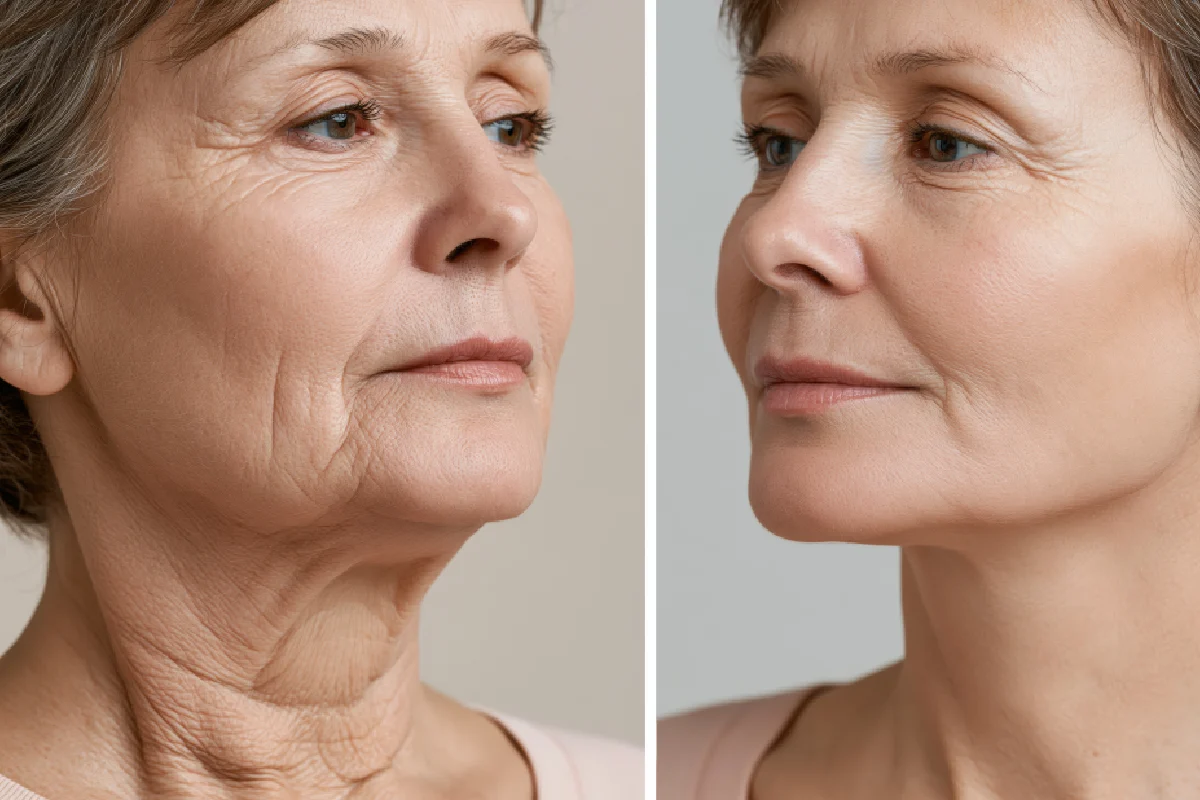
Dysport before and after results may show differences in the prominence of horizontal forehead lines and the overall appearance of the treated area. Fine lines associated with repeated muscle movements may become less noticeable.
However, outcomes vary depending on facial anatomy, muscle activity, dosage, and individual response.
It is also important to understand that botulinum toxin products primarily address dynamic wrinkles caused by muscle contractions. They do not directly correct all skin concerns, such as pigmentation, deeper static wrinkles, or skin texture irregularities.
Difference Between Dysport and Botox: Understanding Their Characteristics
Understanding the differences between Dysport and Botox involves several clinical and formulation-related considerations:
Onset: Some individuals notice changes sooner with Dysport, although the onset varies between individuals and treatment areas.
Precision and diffusion: Both products can be administered to target specific muscle groups. Their formulations have different diffusion characteristics, but the actual treatment pattern depends on dosage, placement, and injection technique.
Duration: Both generally provide temporary effects lasting several months. Individual metabolism and muscle activity can influence the duration.
Individual response: Facial anatomy, muscle strength, medical history, and previous treatment experiences can all influence the results.
Neither product is universally better than the other. Understanding these differences helps explain why treatment outcomes can vary.
FAQs About Dysport and Botox for Forehead Lines
Is Dysport better than Botox for forehead lines?
Whether Dysport is better than Botox for forehead lines depends on individual anatomy, treatment goals, and clinical considerations. Both products can help reduce dynamic wrinkles, but their formulations and characteristics differ. A qualified healthcare professional can explain the distinctions and potential outcomes.
How long does Dysport last?
Dysport results typically last around 3–4 months, although some individuals may experience shorter or longer durations. Muscle activity gradually returns as the effects wear off.
What to expect after Dysport injections?
After Dysport injections, individuals may notice mild redness, swelling, or bruising at the injection sites. These effects are generally temporary. Results typically begin appearing within a few days and continue developing over the following days.
Can Dysport prevent forehead wrinkles?
Dysport temporarily reduces muscle activity responsible for dynamic wrinkles. By limiting repetitive muscle contractions, it may reduce repeated creasing of the skin. However, it does not stop the natural aging process or prevent all types of wrinkles.
Understanding Forehead Wrinkles and Treatment Options
Forehead lines develop through a combination of repetitive facial expressions, natural aging, changes in skin elasticity, and environmental factors such as sun exposure.
Botulinum toxin products, including Dysport and Botox, work primarily by temporarily reducing muscle contractions. Other approaches, such as skincare, sun protection, and treatments addressing skin texture or collagen production, may help with different aspects of skin aging.
Understanding the causes of forehead lines, the differences between available treatment options, and the expected recovery process can help individuals make informed decisions. Consult a qualified medical professional to understand the potential benefits, limitations, and risks of the options available for individual skin concerns.
For additional information about this treatment, explore Dysport in Pickerington, OH.